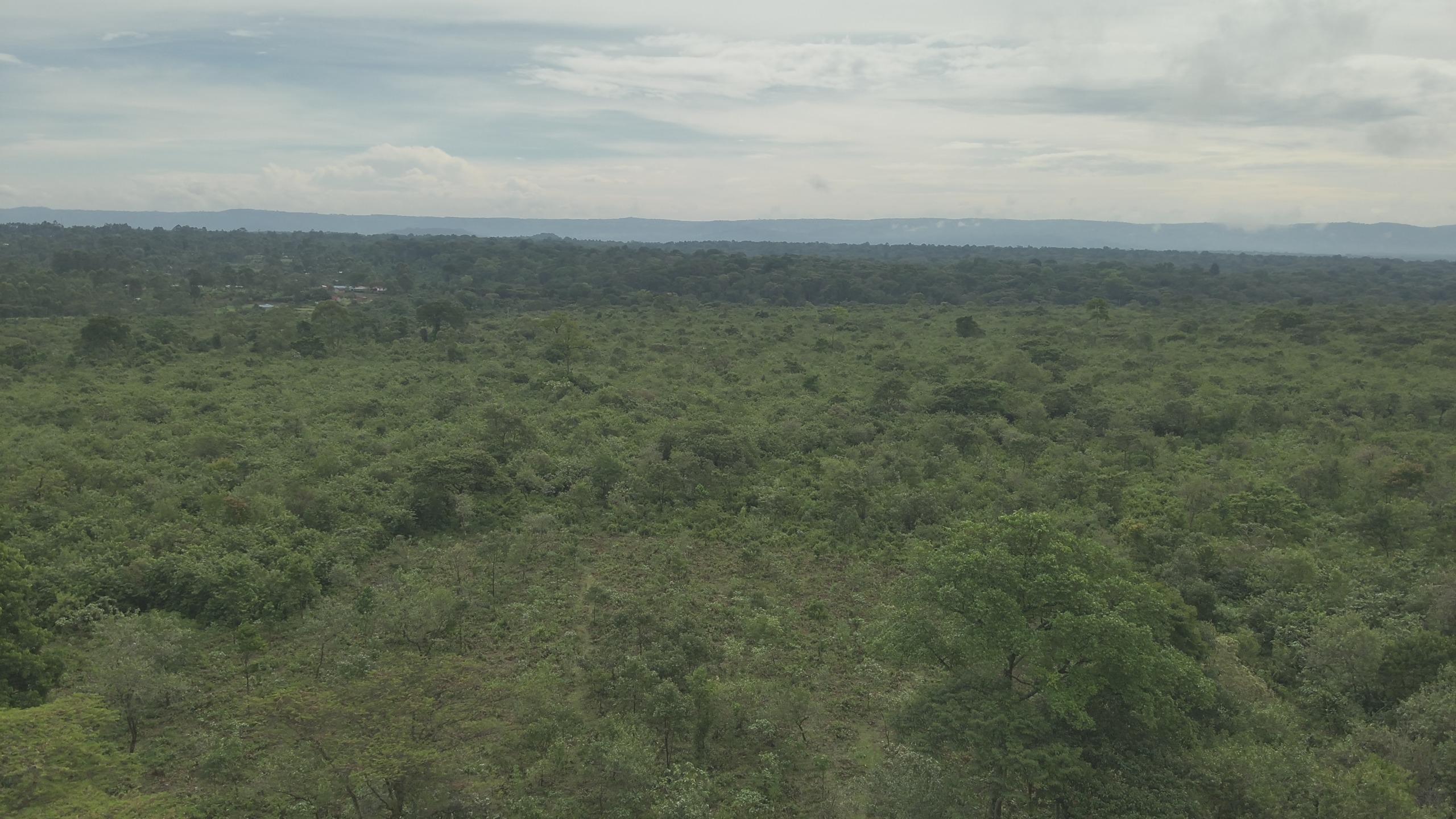
Reforestation efforts aimed at restoring sections of the Kakamega Forest are beginning to bear fruit, signaling renewed hope for Kenya’s only tropical rainforest.
In 2023, First Lady Mama Rachel Ruto adopted 200 hectares within the forest as part of a broader initiative to rehabilitate depleted tree cover. A recent spot check in the 32-hectare Shikusa and Rurambi blocks revealed an impressive survival rate of over 90 percent, reflecting the effectiveness of the restoration program.
The Office of the First Lady has committed to growing more than 500 million trees by 2032, with Kakamega Forest playing a key role in achieving this target. The initiative complements President William Ruto’s national goal of planting 15 billion trees by 2032 to combat climate change and restore degraded landscapes.
Western Region Assistant Forest Conservator Kennedy Ombati expressed confidence in the progress made so far, noting the ecological significance of the forest.
“As Kenya’s only tropical rainforest, Kakamega is home to over 300 species of animals and birds, including endangered monkey species. It also boasts more than 400 tree species,” he said.
Beyond its rich biodiversity, the forest plays a critical role in mitigating the effects of climate change and restoring plant species that local communities depend on for food and medicinal purposes.
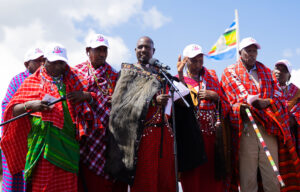
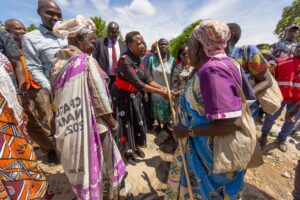
Assistant County Forest Conservator Walter Mwita highlighted the involvement of the Community Forest Association (CFA) in conservation efforts. He said community members are actively engaged in site clearing, pitting, planting, and protecting the forest by reporting cases of encroachment or disruption to the Kenya Forest Service.
“The community is involved in the entire planting process, from preparation to nurturing the seedlings,” Mwita said.
Ms. Imelda Likhako, a CFA member, welcomed the First Lady’s initiative and pledged her continued support.
“I will be glad to join Mama Rachel Ruto in planting more trees here,” she said, adding that improved forest cover has contributed to increased rainfall and better crop performance in surrounding areas.
Mr. Ashiono Kizito, a volunteer caring for the newly planted trees, described the conservation initiative as transformative.
“These trees are helping mitigate the effects of climate change. They also provide shade for us. This forest feels like home to me,” he said.
The Kenya Forest Service has intensified its nationwide tree-planting campaign to meet the 15-billion-tree target by 2032. Stakeholders, including Community Forest Associations and the Kenya Prisons Service, are supporting the effort by nurturing seedlings, maintaining planted areas, and removing invasive species that hinder growth.
As restoration gains momentum, the revival of Kakamega Forest stands as a powerful example of collaborative environmental stewardship in action.